Tensions rose on Tuesday when a group of Nairobi youth converged at the NSSF offices, voicing frustration over delays in national ID issuance. The protesters warned that pending ID replacements were affecting their work commitments, access to government services, and prospects for new opportunities.
The youth highlighted that missing IDs have caused multiple disruptions, from being denied entry to government offices to difficulties in voter registration and even risk of job loss. Several participants said repeated requests for leave to follow up on applications have put their employment at risk.
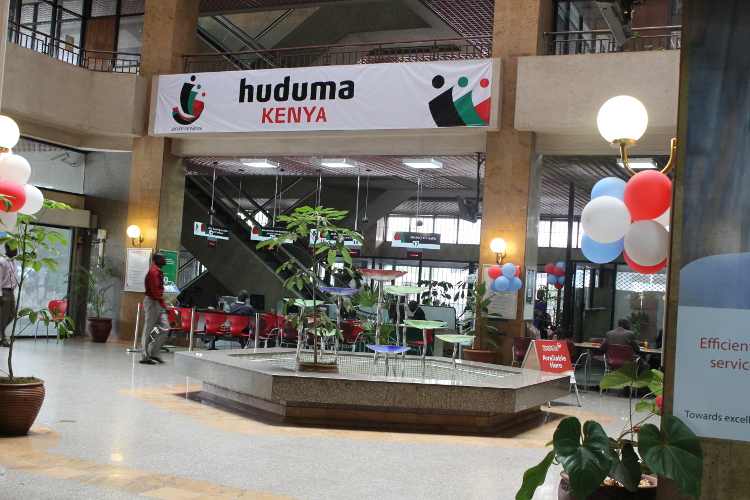
Huduma Kenya confirmed the technical issues, stating: “Our Issuance of National IDs system is experiencing intermittent downtime. We apologise for the inconvenience and assure you that our technical team is working to resolve the issue.”
Aggrey Masai, Director of the National Registration Bureau, reassured citizens that the system restoration is a top priority. He also clarified that the government has no plans to reintroduce replacement fees, explaining that removing charges had led to a surge in applications, especially from rural areas.
The waiver of processing fees, initially announced by President William Ruto for first-time and replacement applicants, had sparked debate over its timing ahead of the 2027 general election.
To ease registration delays, the government plans to roll out 300 additional live capture machines in 2026 to support mobile ID registration. Principal Secretary Belio Kipsang said the new machines will allow faster biometric data collection, particularly in underserved regions, improving service delivery.
Kipsang, during the State Department’s Annual Review Meeting, commended efforts to digitise services and strengthen infrastructure. He noted that the Usajili Mashinani campaign, launched in October 2025, first focused on 15 counties with low registration levels, including Turkana, Baringo, and Elgeyo Marakwet.
The plan is to deploy machines across all 1,450 wards by 2026, enabling citizens to have data captured and verified within minutes, with ID cards ready within seven days. The initiative targets one million new ID holders next year, facilitating access to services such as voter registration and the Social Health Authority ahead of the 2027 elections.
The NRB has also addressed application backlogs and boosted printing capacity to 32,000 cards per day, aiming for a seven to ten-day processing window. Kipsang urged all department heads to maintain progress, improve operational efficiency, and prioritise timely issuance of IDs to bring government services closer to citizens.































Comments
Sign in with Google to comment, reply, and like comments.
Continue with Google